
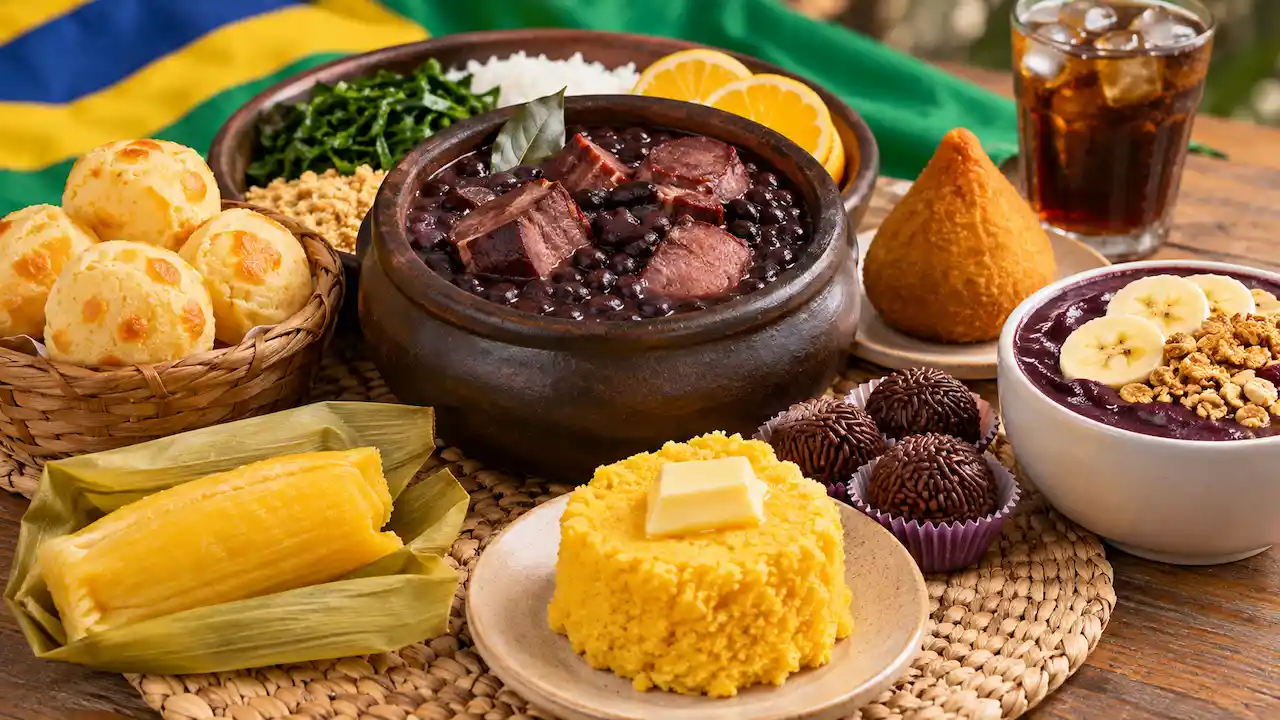
Brazil is a huge country, and its cuisine is just as diverse. Each state and region has its own traditional dishes, but many have become popular throughout the country, making them easy to find almost anywhere.
As a Brazilian, I decided to put together this list based on my own experience. These are foods I regularly eat or have tried and really enjoyed. And since choosing just ten was difficult, I’ve included a few extra favorites worth discovering!
What Influenced Brazilian Cuisine?
Brazilian cuisine is the result of centuries of cultural exchanges. Our food combines Indigenous traditions, African influences, Portuguese recipes, and contributions from immigrants who settled in different parts of the country.
According to the Joaquim Nabuco Foundation, these cultural influences helped create the diverse cuisine we enjoy in Brazil today. Pesquisa Escolar+1
Some of the most important influences include:
- Indigenous peoples: Introduced culinary traditions based on native ingredients such as cassava, corn, fish, and regional fruits.
- Africans: Contributed cooking techniques, ingredients, and flavors that became essential to many Brazilian dishes, especially in Bahia.
- Portuguese: Brought recipes, cooking methods, and a strong tradition of sweets and desserts.
- Other immigrants: Italians, Germans, Japanese, and other communities introduced foods and traditions that became part of our everyday cuisine.
As a Brazilian, I think one of the most interesting things about our food is how much it changes from one region to another. Sometimes, even familiar dishes have completely different versions depending on the state you’re visiting.
15 Traditional Brazilian Foods You Must Try
Before we get to the list, keep in mind that Brazilian food goes far beyond feijoada and barbecue. Some of my favorite dishes are actually simple foods we eat for breakfast, afternoon snacks, or family meals.
I’ve included traditional meals, street food, desserts, and even a Brazilian drink. Some are easy to find throughout the country, while others are regional specialties you should look for when visiting certain states.
1. Feijoada
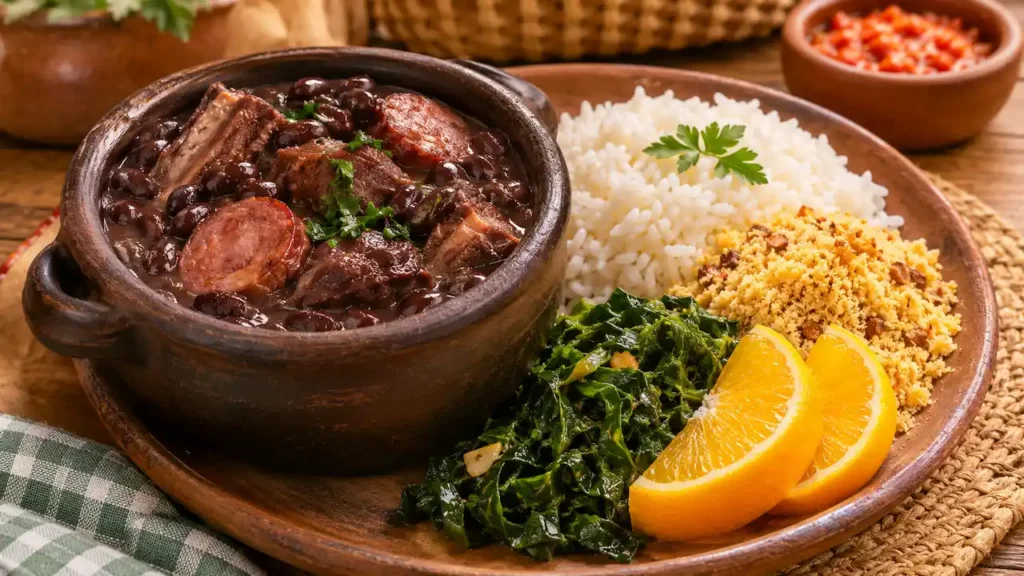
Feijoada is one of Brazil’s most famous dishes. It consists of black beans cooked with different cuts of pork, usually served with white rice, farofa (toasted cassava flour), collard greens, and orange slices.
It’s a very filling meal, so I recommend having it for lunch. Many Brazilian restaurants traditionally serve feijoada on Wednesdays and Saturdays.
2. Sarapatel
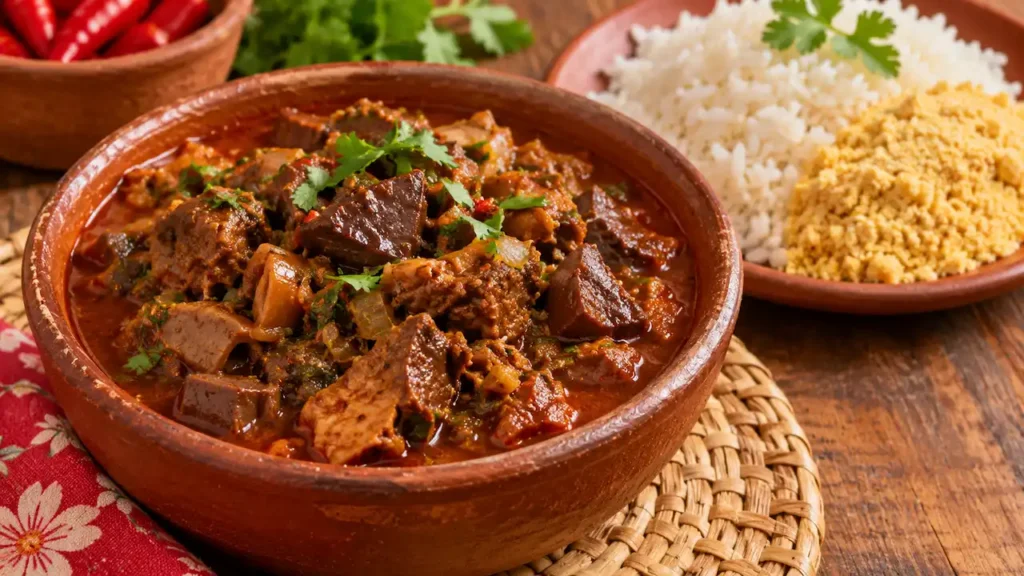
Sarapatel is a traditional dish from northeastern Brazil, made with pork organs, seasonings, and often blood. It has a strong, distinctive flavor and is usually served with rice or farinha.
I know the ingredients might sound unusual to foreigners, but it’s one of those regional dishes worth trying if you want to experience authentic Brazilian cuisine.
3. Arroz Tropeiro
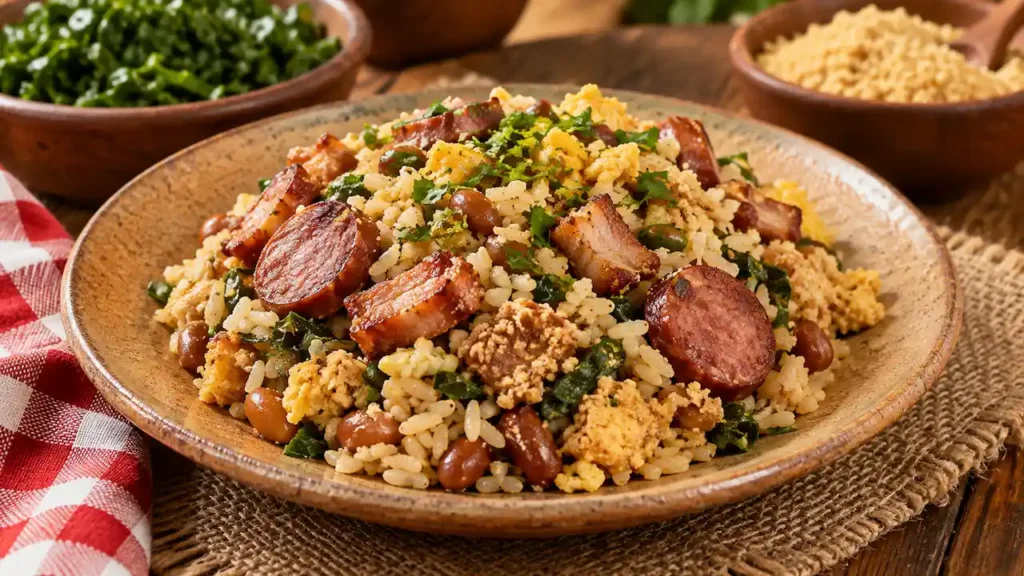
Arroz tropeiro is a traditional rice dish prepared with ingredients such as sausage, bacon, and seasonings. Recipes vary depending on the region, and it’s a great example of Brazilian comfort food.
You might also find feijão tropeiro, a different and more widely known dish made with beans, cassava flour, eggs, and sausage. Both are worth trying!
4. Pão de Queijo
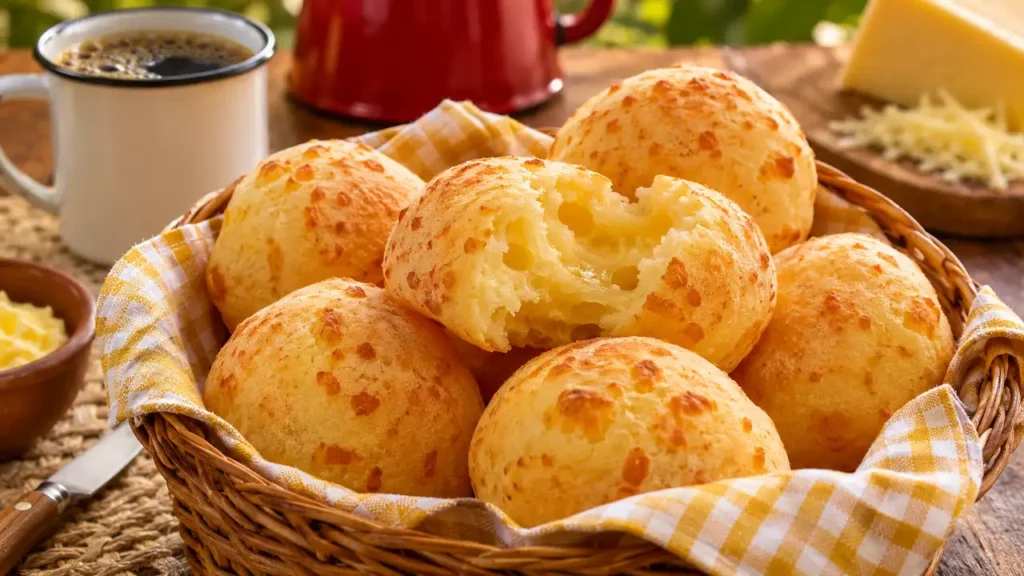
Pão de queijo is one of my favorite Brazilian snacks! These small cheese breads are made with cassava starch and cheese, giving them a slightly crispy exterior and a soft, chewy center.
Originally from Minas Gerais, they’re now popular everywhere in Brazil. My recommendation is to eat them freshly baked, preferably with a cup of coffee.
5. Cuscuz Nordestino
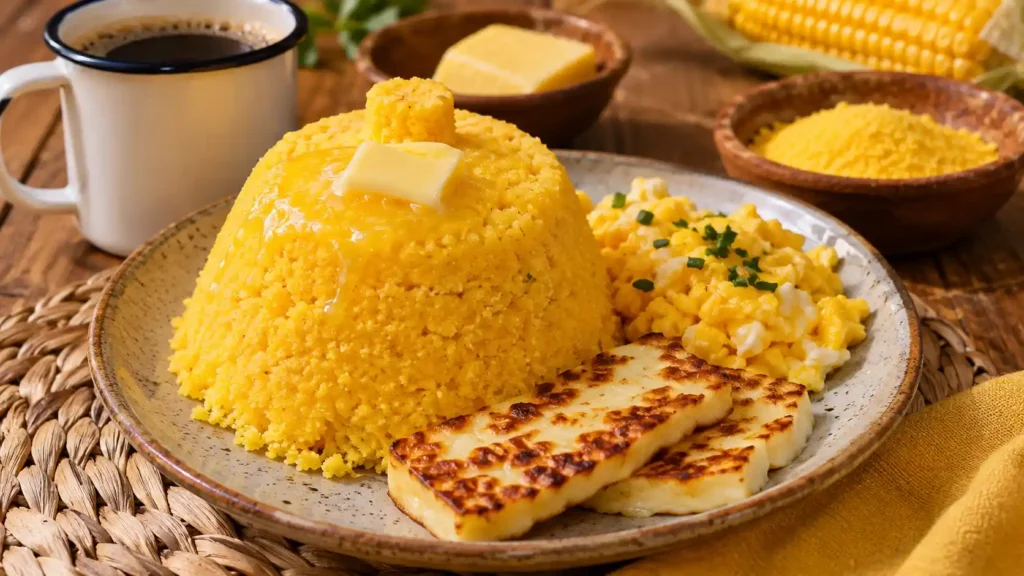
Cuscuz nordestino is a traditional breakfast dish from northeastern Brazil, made with steamed corn flakes. We usually eat it with butter, eggs, cheese, or meat.
It’s simple, delicious, and one of my favorite examples of northeastern cuisine.
There’s also a version called cuscuz paulista, but I’m not sure I should recommend that one! I’ve tried it a few times and found the flavor quite peculiar, haha. Maybe you’ll have better luck!
6. Coxinha
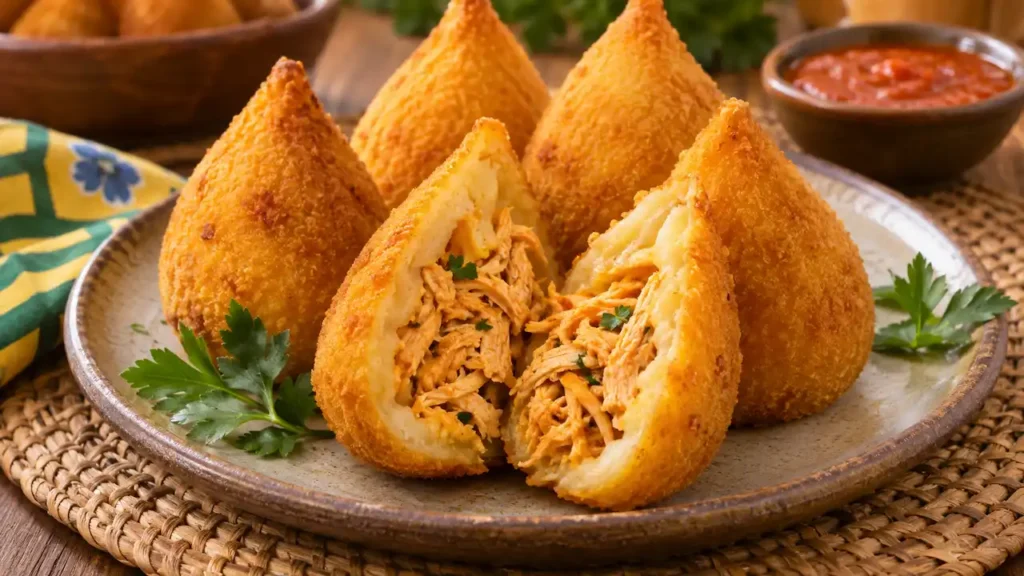
Coxinha is one of Brazil’s most popular snacks. It’s a crispy, fried dough filled with shredded chicken, sometimes mixed with creamy cheese.
You’ll find it in bakeries, snack bars, and even birthday parties. If you’re exploring a Brazilian city, stopping at a local lanchonete for a coxinha is something I definitely recommend.
7. Brigadeiro
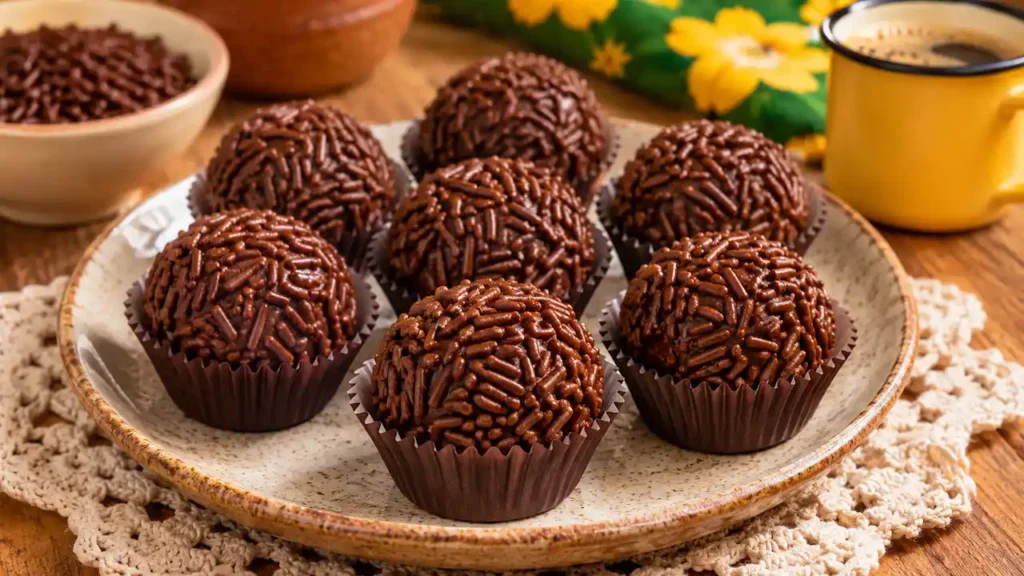
Brigadeiro is a traditional Brazilian sweet made with condensed milk, chocolate, and butter, usually rolled into small balls covered in chocolate sprinkles.
It’s practically impossible to attend a Brazilian birthday party without seeing brigadeiros. They’re very sweet, but if you love chocolate, you’ll probably love them too.
8. Açaí
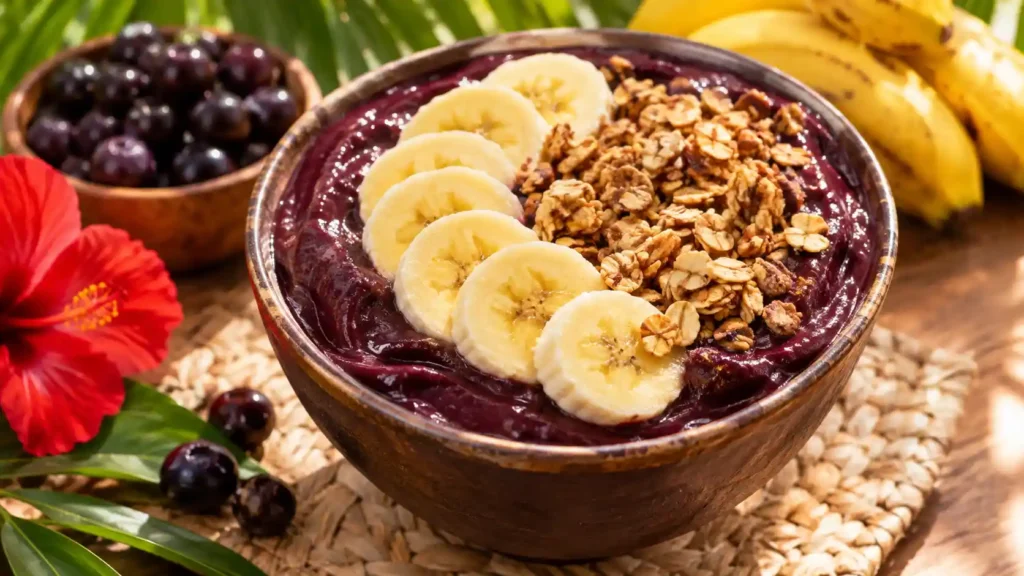
Açaí comes from the Amazon region, but today it’s popular throughout Brazil. In most places, you’ll find it served as a cold, thick cream with toppings such as bananas, granola, and powdered milk.
One interesting detail is that in northern Brazil, particularly Pará, açaí is traditionally eaten without the sweet toppings, sometimes alongside fish and farinha. If possible, try both versions!
9. Pamonha
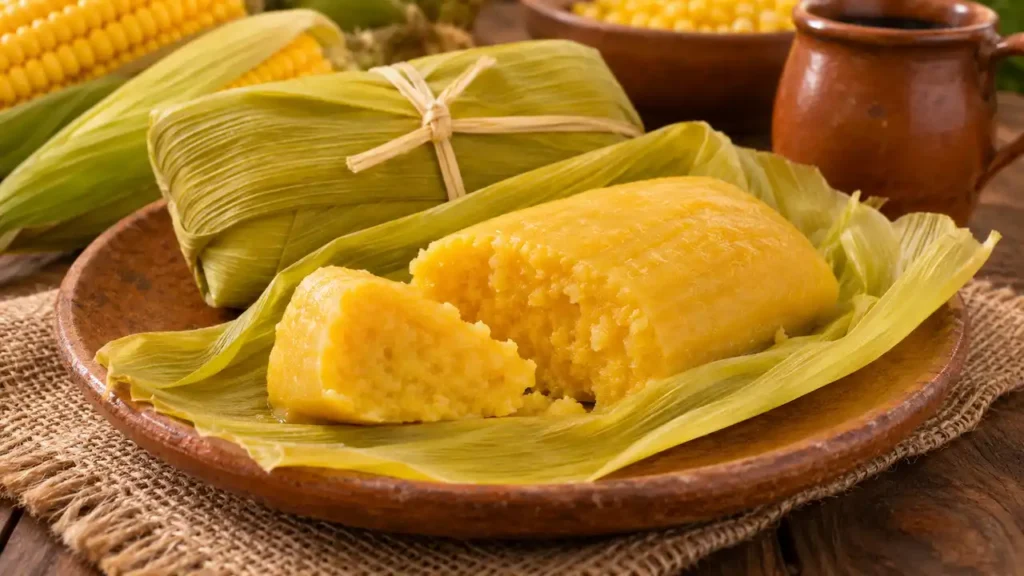
Pamonha is made from fresh corn, wrapped in corn husks, and cooked until soft. There are sweet and savory versions, including some filled with cheese.
It’s especially popular in Brazil’s countryside and during Festas Juninas, our traditional June celebrations. If you enjoy corn-based foods, pamonha is a great choice.
10. Churrasco
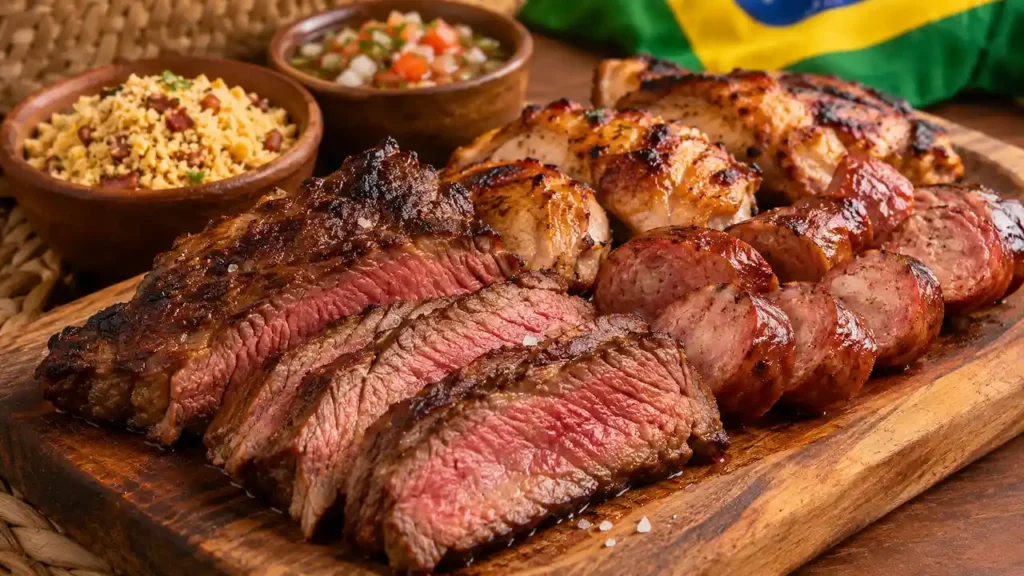
Brazilian churrasco is more than just grilled meat. It’s also a social tradition, especially in southern Brazil, where families and friends gather around the barbecue.
You’ll find churrascarias across the country, including restaurants with rodízio, where servers bring different cuts of meat directly to your table. It’s an experience I recommend to meat lovers.
11. Paçoca
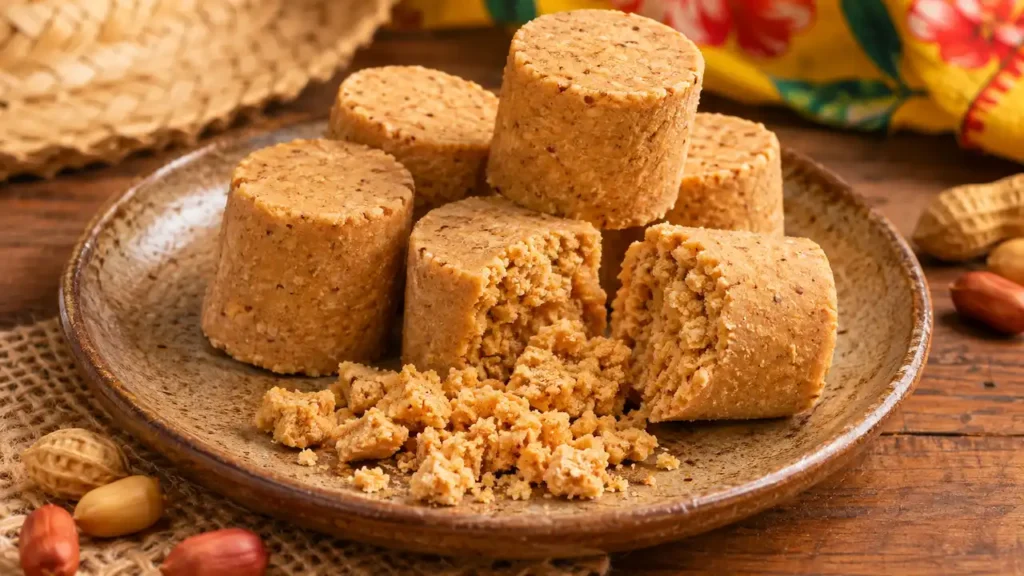
Paçoca is a traditional Brazilian sweet made mainly from ground peanuts, sugar, and salt. It has a crumbly texture and a delicious peanut flavor.
It’s one of those sweets I recommend trying at least once, especially if you love peanuts.
12. Tapioca
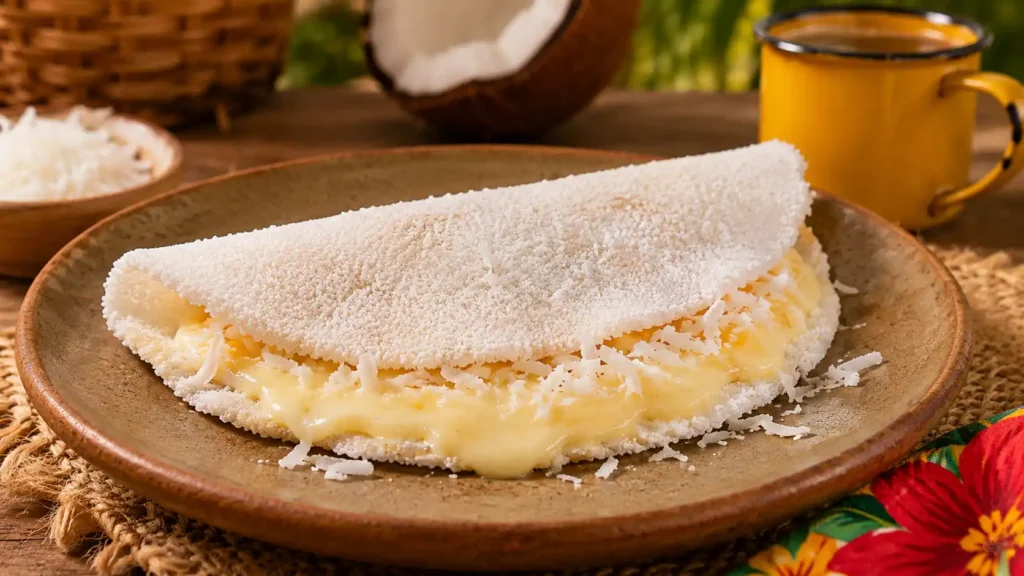
Tapioca is especially popular in northeastern Brazil. It’s made from hydrated cassava starch cooked in a pan, creating a thin, flexible pancake.
You can fill it with cheese, coconut, chicken, or sweet ingredients. It’s a great breakfast or afternoon snack.
13. Curau de Milho
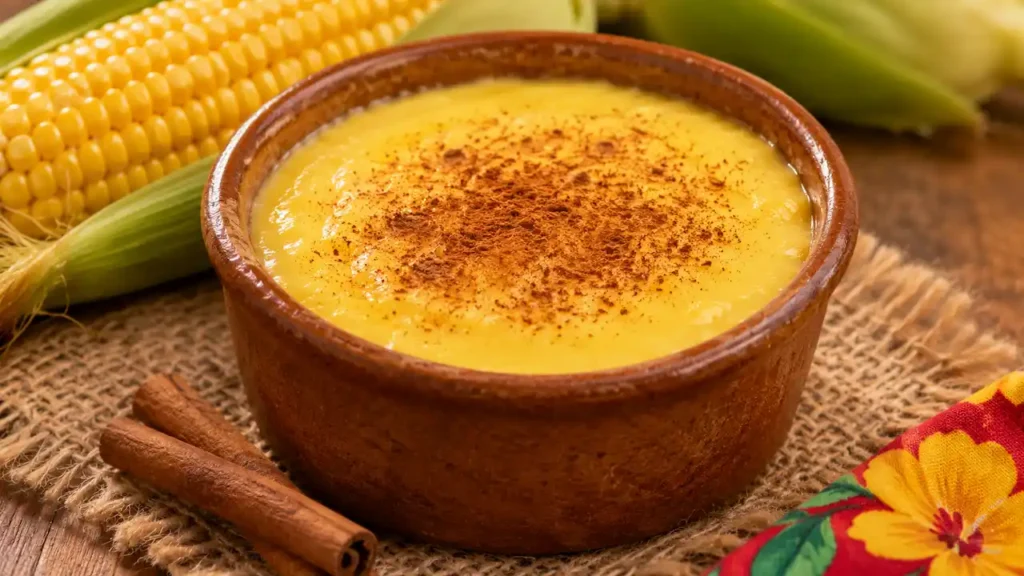
Curau is a creamy dessert made from corn, milk, and sugar, usually finished with cinnamon.
It’s especially popular during Festas Juninas. If you enjoy the natural sweetness of corn, I think you’ll really like this dessert.
14. Guaraná
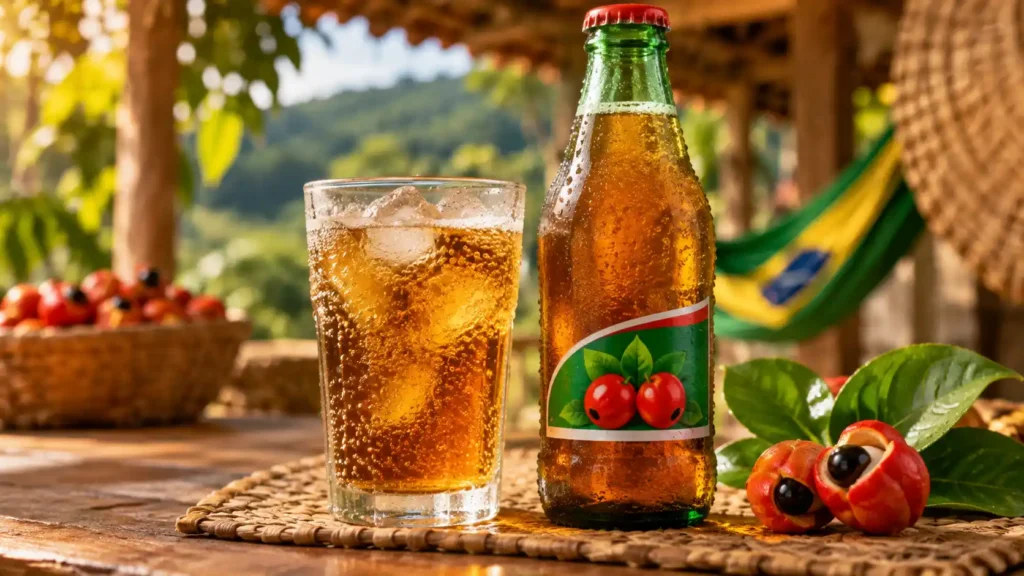
Guaraná is technically a drink, but I couldn’t leave it out! It’s one of Brazil’s most popular soft drinks, made with flavoring derived from the Amazonian guaraná fruit.
You’ll find it practically everywhere, and I recommend trying it with a coxinha or another Brazilian snack.
15. Tacacá
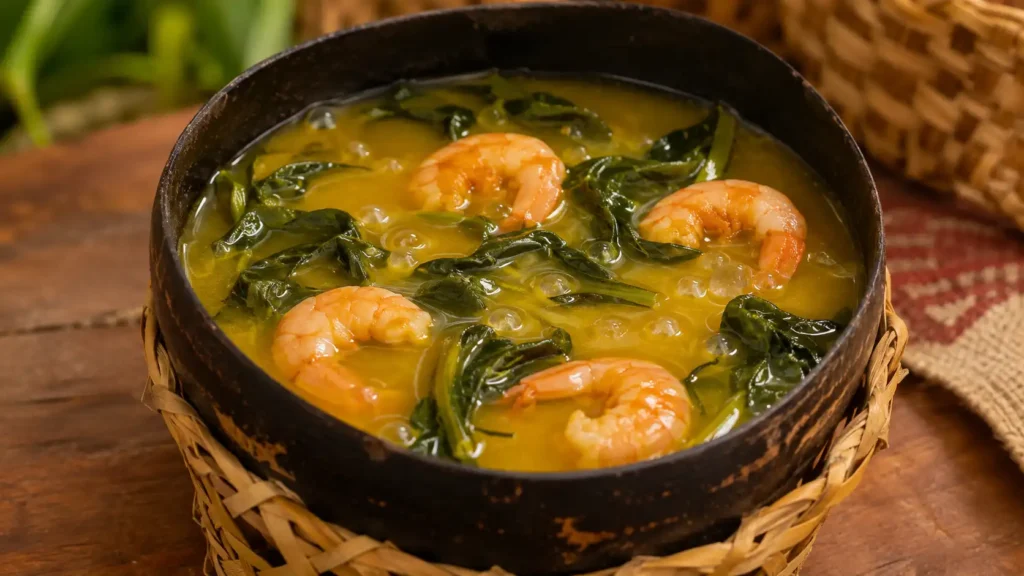
Finally, Tacacá is a traditional Amazonian soup, especially popular in Pará. It’s made with tucupi (a yellow broth derived from cassava), jambu leaves, shrimp, and tapioca starch.
One of its most interesting characteristics is the tingling sensation caused by jambu. If you’re visiting northern Brazil, I highly recommend trying this unique regional specialty.
Final Tips for Trying Brazilian Food
If you arrive somewhere and can’t find the food you’re looking for, try showing a picture. Some Brazilian dishes have different names depending on the city or region, so a photo can help locals understand what you mean.
And most importantly, be open to trying dishes that aren’t on this list! Brazil has so many regional specialties that even Brazilians are constantly discovering new foods. Trust me, it’s worth exploring beyond the famous ones.
I hope you enjoy discovering our cuisine as much as I enjoy sharing it!
Check out other articles on our Blog for more tips on traveling through Brazil.
